
ISSCR News
Stem Cell Reports Welcomes Five New Early Career Editors
Stem Cell Reports, the official journal of the International Society for Stem Cell Research (ISSCR), today announces the appointment of five new Early Career Editors to its editorial team. Representing institutions across North America, Europe, Asia, and Australia, the new editors bring broad expertise spanning developmental biology, neuroscience, genetics, cancer biology, cardiovascular biology, stem cell-based disease modeling, and emerging applications of stem cell engineering in cellular agriculture.
The newly appointed Early Career Editors are:
Alessandro Bertero, University of Turin, Italy
Conchi Estaras, Temple University, USA
Lachlan Harris, QIMR Berghofer Medical Research Institute, Australia
Caroline Pearson, Weill Cornell Medicine, USA
Shifeng Xue, National University of Singapore

The ISSCR Celebrates Martin Pera for Transformative Leadership and Lasting Contributions to Stem Cell Reports as he Steps Down from the Journal’s Editorial Team
The International Society for Stem Cell Research (ISSCR) and Stem Cell Reports are celebrating the remarkable contributions of Martin Pera as he concludes his long tenure with the journal following years of leadership that helped shape Stem Cell Reports into a leading voice in stem cell science and regenerative medicine.
Stem Cells at the Root of Tooth Aging
With age, teeth get increasingly brittle and susceptible to damage from tooth decay, which can eventually lead to tooth loss. Teeth have an intrinsic capability to regenerate, a process which is driven by dental pulp stem cells (DPSCs) which replenish the dental pulp including the dentin-producing cells called odontoblasts. DPSCs stops working in aging teeth, divide less, and generate less odontoblasts, a process which is called senescence or the biological process of aging through gradual deterioration. DPSC senescence is thought to be a cause for the declining tooth health with age.
New Podcast Episode. Therapeutic Strategy for COVID-19-Induced Acute Respiratory Distress Syndrome
Acute respiratory distress syndrome (ARDS) induced by COVID-19 was a leading cause of severe illness and death during the pandemic, driven by an intense innate immune response, hyperinflammation, and a decrease in lymphocytes. Mesenchymal stromal cells (MSCs) represent a potential therapeutic option for ARDS due to their ability to modulate the immune system and inflammation. Our guests report results from a Health Canada–regulated Phase I and Phase II trials evaluating freshly cultured umbilical cord–derived MSCs in patients with COVID-19-related ARDS, including assessments of safety, maximum feasible tolerated dose, and preliminary efficacy. Their work explores a therapeutic strategy to improve ARDS outcomes using MSCs, which will be important for optimizing and targeting future cellular therapies.
Natural Component from Licorice Alleviates Inflammatory Bowel Disease in Stem Cell-based Model and in Animals
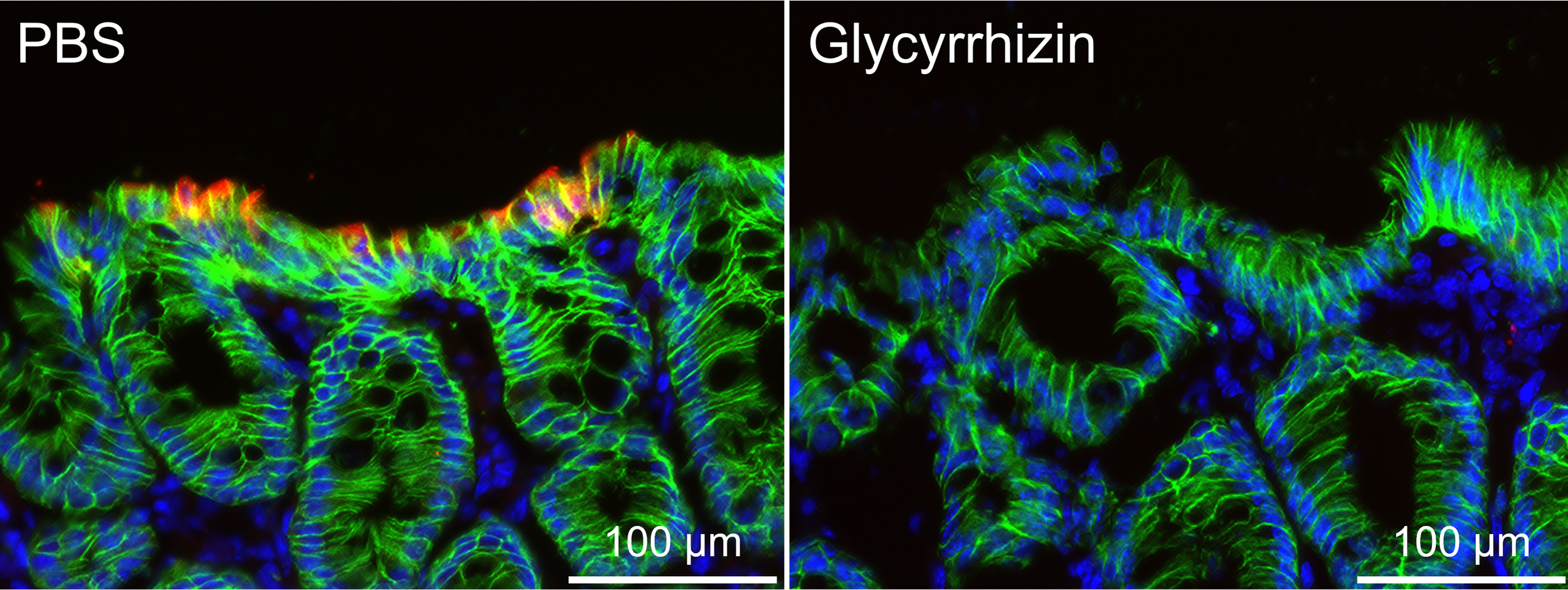
A new study published today in Stem Cell Reports demonstrates how a human stem cell-derived model of the intestine can be used to identify potential therapies for inflammatory bowel disease (IBD), highlighting glycyrrhizin as a promising candidate for reducing intestinal inflammation and cell death.
The burden of IBD is rising globally, with an estimated 4 million people affected worldwide. The disease is characterized by chronic inflammation of the intestinal wall, leading to symptoms such as persistent diarrhea, abdominal pain, and fatigue. Standard treatments include anti-inflammatory drugs and other immune-targeting therapies, but many patients experience only limited benefit.
Receive ISSCR Press Releases
Sign up be a part of ISSCR’s media list. Media Contact: Kym Kilbourne, Director of Media and Strategic Communications
Subscribe to ISSCR News.
Each month, ISSCR delivers scientific, policy, and community to your inbox .